
The Pouch Is Outgrowing the Nicotine Aisle
Caffeine, nootropics, electrolytes, and oral care are widening the pouch category. Our take on the New York Post’s report, and why thoughtful everyday carry matters beyond any one ingredient.
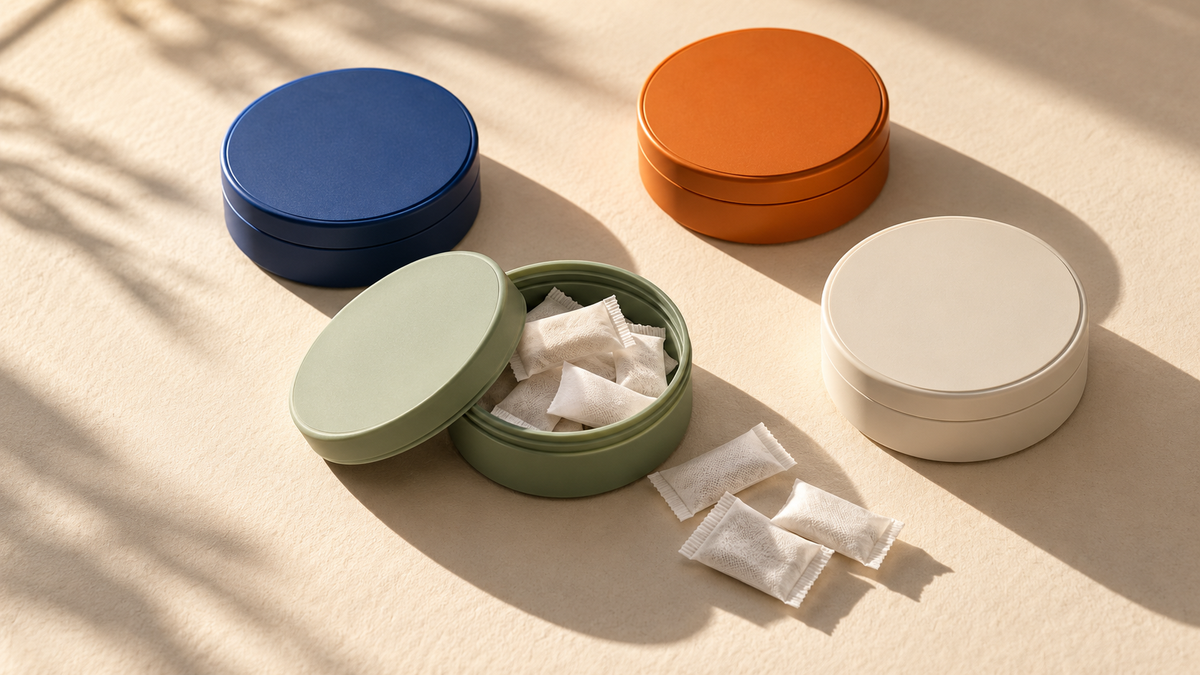
Caffeine, nootropics, electrolytes, and oral care are widening the pouch category. For Spyhold, the question is familiar: when something becomes part of your day, how should you carry it?
A round tin used to tell a fairly predictable story. Now it might hold caffeine, a nootropic blend, or an oral-care formula. The shape is familiar. The contents are becoming much more varied.
McKenzie Beard’s October 14 New York Post feature looks at that expansion, from ZYN’s role in popularizing the format to the companies adapting it for new uses. It also asks a necessary question about the products themselves: how much of the promise is supported by evidence?
At Spyhold, we see a design story running alongside that discussion. As the pouch finds more uses, the object carrying it deserves more thought.
A format can travel further than an ingredient
Our view has always started with everyday carry. People put thought into their wallets, bags, sunglasses, and the other objects they reach for repeatedly. A bulky round tin can feel out of place in that otherwise considered setup.
Changing the ingredient inside does little to change that experience. A caffeine tin still makes a can line in a pocket. A nootropic tin still takes up space beside a phone and keys. Someone carrying mint pouches may care just as much about a discreet, useful case as someone carrying nicotine pouches.
That is the broader opportunity we see in the Post’s reporting. A pouch is a physical format that different brands can build around. The reasons someone chooses a particular formula may vary; the need to carry it comfortably can stay remarkably consistent.
The brands widening the category
These five brands, all featured in the Post’s article, show how far that experimentation now reaches. The descriptions below reflect their current product pages and positioning, rather than an assessment of effectiveness.

WIP: caffeine
WIP sells nicotine-free caffeine pouches, with products offered in 100 mg and 200 mg strengths. Its presentation centers on energy and portability. For the category, it is a clear example of a familiar ingredient appearing in a different physical form.

NZE: nootropics
NZE offers energy pouches and a caffeine-free Focus line. The latter lists ingredients including Alpha GPC, L-Tyrosine, and L-Theanine. Its focus-oriented positioning gives the pouch another identity beyond the nicotine aisle.

ZALT: electrolytes and B vitamins
ZALT combines electrolytes with vitamins B6 and B12 in a nicotine-free, caffeine-free pouch. The brand presents it as a portable addition to a hydration routine and explicitly says it does not replace water. It is another example of companies designing around an existing pocket-sized habit.

TRGT: the evening routine
TRGT’s Sleep Pouches are marketed for winding down. The listed ingredients include melatonin, L-Theanine, and magnesium. The positioning is a striking shift for a format so often associated with stimulation.

SMILE+: oral care
SMILE+ markets its oral-care pouches around whitening and fresh breath, with nano-hydroxyapatite among the listed ingredients. Whatever a reader makes of those claims, the product illustrates how broadly brands are interpreting the format.
The Post also covers cannabis-related pouch brands KSHN, JOEI by Garden Remedies, and Cannadips. Together, these examples show a format crossing several product categories, each with its own ingredients, claims, and considerations.
Discretion is part of good design
The article identifies discretion as one of the format’s attractions. That point feels especially relevant to everyday carry.
Most objects do not need to announce their contents. A wallet can hold different cards without changing its character. A good bag can move between work and a weekend. We think a pouch case can serve a similarly practical role: a personal object chosen for how it fits, feels, opens, and holds what is inside.
This is why the category interests us beyond any one brand or ingredient. The disposable packaging is selected by the manufacturer. The thing you carry every day can be selected by you.
The formula still has to earn its claims
The Post’s cautions deserve attention. Pharmaceutics professor Dr. Kevin Li explains that absorption through the mouth depends on the substance and formulation; putting something in a pouch does not establish that it delivers an effective dose. Dentist Dr. Raven Banks raises concerns about gum irritation and recession, while noting how little is known about some newer formulas.
Our enthusiasm is for thoughtful design around an existing behavior. We are not treating a new package, a wellness label, or a brand’s marketing as proof of a health benefit. Consumers deserve clear ingredient information and evidence specific to the product they are considering.
A better way to carry what is already in your day

Spyhold makes cases for the things people already carry. The Original Pouch Pouch pairs performance twill with leather trim, a slim profile, and a snap closure. Our Leather and Recycled versions offer different materials for the same everyday task.
The goal is straightforward: make an overlooked part of the pocket feel as considered as the rest of it. Compatibility still depends on the pouch’s size and storage requirements; the brands pictured here are editorial examples, not a claim that every formula belongs in the same case.
As the category expands, we expect people to ask more of the objects around it. Better materials. Less bulk. A design they enjoy using and can keep reaching for.
The ingredients will keep changing. A better way to carry them is an idea worth building on.
Explore the Original Pouch Pouch · Leather · Recycled
Further reading: McKenzie Beard, “The Zyn-ification of wellness: Caffeine, melatonin and even vitamins now come in pouches — but do they work?”, New York Post, October 14, 2026. Product information was checked against the linked brand websites. Product images are credited to their respective brands and included for editorial reference. Header: original AI-generated editorial illustration for Spyhold.
Keep reading.
All stories
edc
Spyhold Arrives at The Officer’s Quarter in Cold Spring, NY
Spyhold is now available at The Officer’s Quarter in Cold Spring, New York. Discover why the brands align and plan a day exploring Cold Spring.

edc
8 Useful Gifts for Dad Who Has Everything
Useful, thoughtful gift ideas for the dad who has everything—plus a practical everyday-carry upgrade he’ll actually use.

edc
The Luxury Upgrade Nobody Saw Coming: How the Nicotine Pouch Tin Became a Status Symbol
The nicotine pouch itself has evolved rapidly. The container has not. As more consumers invest in premium everyday carry products, the disposable nicotine tin is becoming the last overlooked object in an otherwise curated...


